

Legal Awareness
Juvenile Crime and Preventive Justice: Legal Framework and Public Policy Considerations
Juvenile Crime and Preventive Justice: Legal Framework and Public Policy Considerations
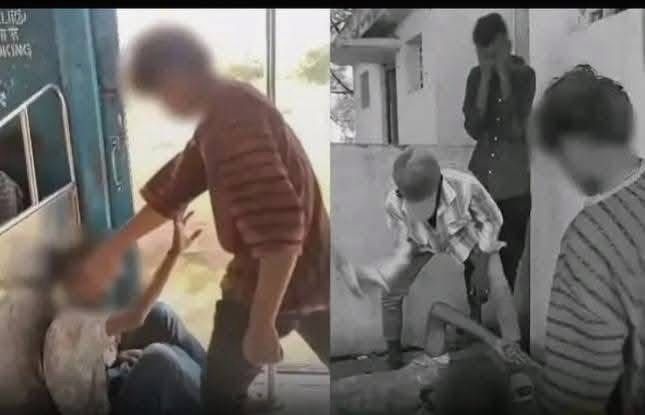
Recent media reports have referred to an incident involving alleged acts of violence by certain minors in Tamil Nadu. The matter is presently under investigation by the competent authorities. All facts and legal conclusions will be determined in accordance with due process of law.
Without commenting on the merits of any specific case, such incidents bring into focus broader legal and public-policy issues relating to juvenile justice, youth behaviour, and preventive institutional mechanisms.
Statutory Framework Governing Juveniles in Conflict with Law:
Juvenile offences in India are governed by the Juvenile Justice (Care and Protection of Children) Act, 2015. The statute is based on a reformative and rehabilitative approach. It recognises that children are capable of change and prioritises care, counselling, supervision, and reintegration into society.
The Act classifies offences into petty, serious, and heinous categories. In cases involving children aged between 16 and 18 years accused of heinous offences, a preliminary assessment is conducted by the Juvenile Justice Board to determine mental capacity and understanding of consequences before deciding whether the matter should be tried as an adult in accordance with law.
The legislative intent emphasises rehabilitation rather than retribution.
Preventive and Institutional Considerations:
While juvenile involvement in violent offences statistically represents a limited proportion of overall crime, policy discussions often focus on preventive mechanisms. These include:
Early intervention through educational institutions
Counselling and psychological support systems
Community-based supervision and mentorship
Monitoring of vulnerable public spaces
Structured rehabilitation programmes
The objective of the juvenile justice system is not only adjudication after an offence but also prevention of recurrence.
Substance Abuse and Youth Behaviour:
Public discourse frequently addresses the role of adolescent substance exposure in impulsive behaviour. The Narcotic Drugs and Psychotropic Substances Act, 1985 provides the statutory framework for regulating and penalising possession, trafficking, and distribution of prohibited substances.
From a public-health perspective, early intervention, awareness programmes, and enforcement measures form part of the broader preventive strategy. Any conclusions in individual cases must, however, rest strictly on evidence placed before the competent forum.
Digital Conduct and Legal Awareness:
Another emerging area of concern in contemporary discourse is the recording or circulation of unlawful acts through digital platforms. Legal consequences may arise not only from participation in unlawful activity but also from abetment, conspiracy, or related offences, depending on the facts of each case.
Digital literacy and awareness of legal consequences form an important part of preventive education.
Balancing Rehabilitation and Public Safety:
The juvenile justice framework seeks to balance societal protection with the rights and developmental needs of children in conflict with law. The effectiveness of the system depends upon coordinated functioning between law-enforcement agencies, educational institutions, community bodies, and statutory boards.
Preventive engagement, structured counselling, and lawful enforcement remain central to maintaining public order while upholding constitutional safeguards.
Conclusion
Incidents involving juveniles must be examined within the statutory framework and factual matrix of each case. Public discussion should remain responsible, avoiding assumptions regarding guilt or innocence. Legal processes are designed to ensure fairness, rehabilitation where appropriate, and protection of societal interests.
Strengthening preventive mechanisms through lawful and institutional measures remains a continuing policy objective.
In furtherance of the above concerns and strictly in public interest, the author has submitted formal representations dated 01.01.2026 to the Hon?ble Prime Minister of India, the Hon?ble Union Home Minister, and the Director General, Narcotics Control Bureau, highlighting emerging narcotic distribution patterns, their impact on youth behaviour and juvenile justice administration, and recommending coordinated institutional mechanisms within the existing constitutional and statutory framework. The representations emphasise preventive, rights-based, and inter-departmental approaches under the Narcotic Drugs and Psychotropic Substances Act, 1985 and the Juvenile Justice (Care and Protection of Children) Act, 2015. The same are placed before the competent authorities for consideration in the larger public interest.
Vikram Ravishankar
Advocate
Madras High Court & Madurai Bench
Recent media reports have referred to an incident involving alleged acts of violence by certain minors in Tamil Nadu. The matter is presently under investigation by the competent authorities. All facts and legal conclusions will be determined in accordance with due process of law.
Without commenting on the merits of any specific case, such incidents bring into focus broader legal and public-policy issues relating to juvenile justice, youth behaviour, and preventive institutional mechanisms.
Statutory Framework Governing Juveniles in Conflict with Law:
Juvenile offences in India are governed by the Juvenile Justice (Care and Protection of Children) Act, 2015. The statute is based on a reformative and rehabilitative approach. It recognises that children are capable of change and prioritises care, counselling, supervision, and reintegration into society.
The Act classifies offences into petty, serious, and heinous categories. In cases involving children aged between 16 and 18 years accused of heinous offences, a preliminary assessment is conducted by the Juvenile Justice Board to determine mental capacity and understanding of consequences before deciding whether the matter should be tried as an adult in accordance with law.
The legislative intent emphasises rehabilitation rather than retribution.
Preventive and Institutional Considerations:
While juvenile involvement in violent offences statistically represents a limited proportion of overall crime, policy discussions often focus on preventive mechanisms. These include:
Early intervention through educational institutions
Counselling and psychological support systems
Community-based supervision and mentorship
Monitoring of vulnerable public spaces
Structured rehabilitation programmes
The objective of the juvenile justice system is not only adjudication after an offence but also prevention of recurrence.
Substance Abuse and Youth Behaviour:
Public discourse frequently addresses the role of adolescent substance exposure in impulsive behaviour. The Narcotic Drugs and Psychotropic Substances Act, 1985 provides the statutory framework for regulating and penalising possession, trafficking, and distribution of prohibited substances.
From a public-health perspective, early intervention, awareness programmes, and enforcement measures form part of the broader preventive strategy. Any conclusions in individual cases must, however, rest strictly on evidence placed before the competent forum.
Digital Conduct and Legal Awareness:
Another emerging area of concern in contemporary discourse is the recording or circulation of unlawful acts through digital platforms. Legal consequences may arise not only from participation in unlawful activity but also from abetment, conspiracy, or related offences, depending on the facts of each case.
Digital literacy and awareness of legal consequences form an important part of preventive education.
Balancing Rehabilitation and Public Safety:
The juvenile justice framework seeks to balance societal protection with the rights and developmental needs of children in conflict with law. The effectiveness of the system depends upon coordinated functioning between law-enforcement agencies, educational institutions, community bodies, and statutory boards.
Preventive engagement, structured counselling, and lawful enforcement remain central to maintaining public order while upholding constitutional safeguards.
Conclusion
Incidents involving juveniles must be examined within the statutory framework and factual matrix of each case. Public discussion should remain responsible, avoiding assumptions regarding guilt or innocence. Legal processes are designed to ensure fairness, rehabilitation where appropriate, and protection of societal interests.
Strengthening preventive mechanisms through lawful and institutional measures remains a continuing policy objective.
In furtherance of the above concerns and strictly in public interest, the author has submitted formal representations dated 01.01.2026 to the Hon?ble Prime Minister of India, the Hon?ble Union Home Minister, and the Director General, Narcotics Control Bureau, highlighting emerging narcotic distribution patterns, their impact on youth behaviour and juvenile justice administration, and recommending coordinated institutional mechanisms within the existing constitutional and statutory framework. The representations emphasise preventive, rights-based, and inter-departmental approaches under the Narcotic Drugs and Psychotropic Substances Act, 1985 and the Juvenile Justice (Care and Protection of Children) Act, 2015. The same are placed before the competent authorities for consideration in the larger public interest.
Vikram Ravishankar
Advocate
Madras High Court & Madurai Bench